Copernicus Hubs
and Institutions

Tuesday, 26 May 2026
Vienna, Austria
2 institutions visited
MUSICA HPC Infrastructure UN-SPIDER Disaster Management

Student Report

View Report (PDF)

Earth Observation Data Centre - EODC

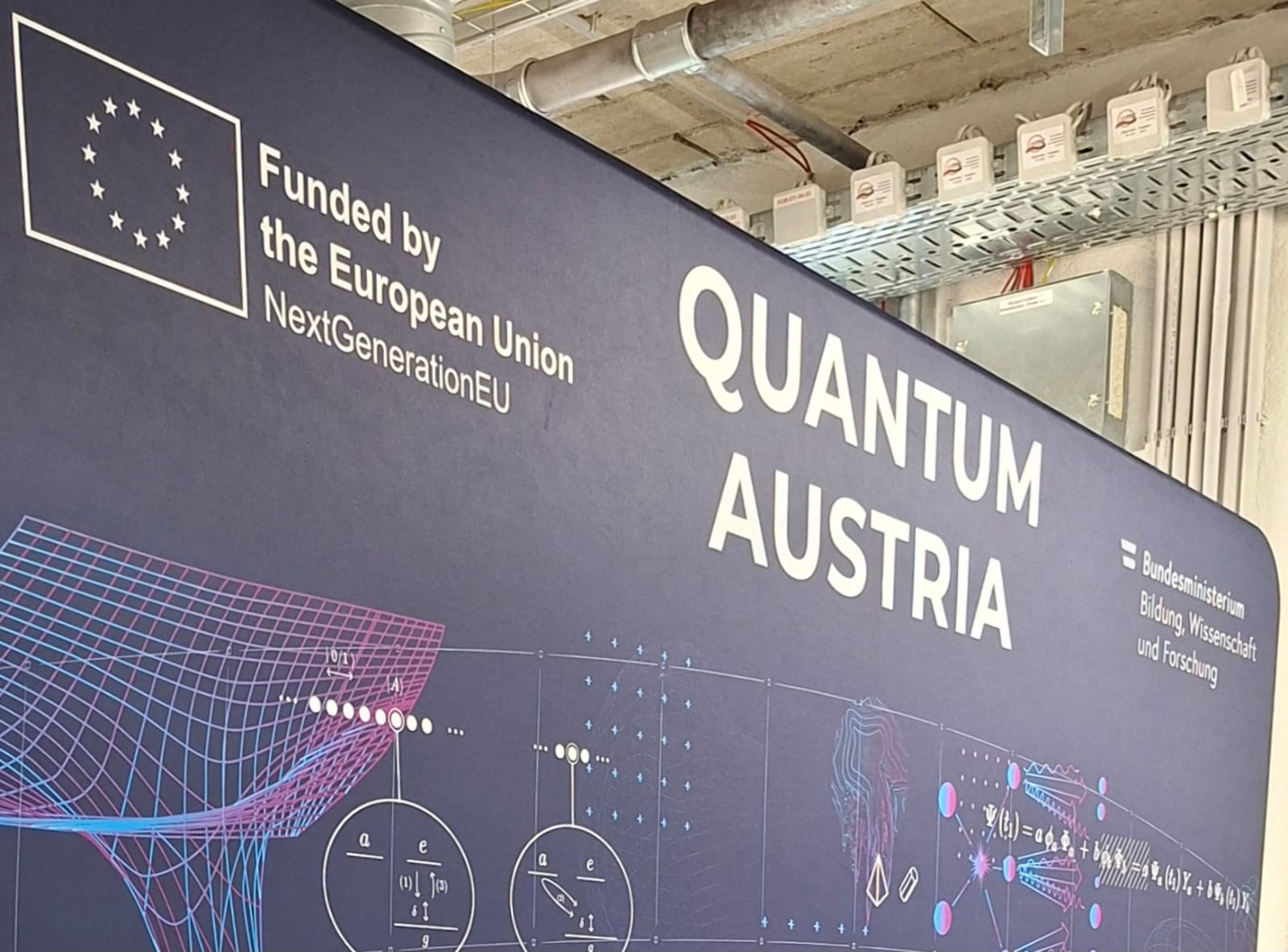
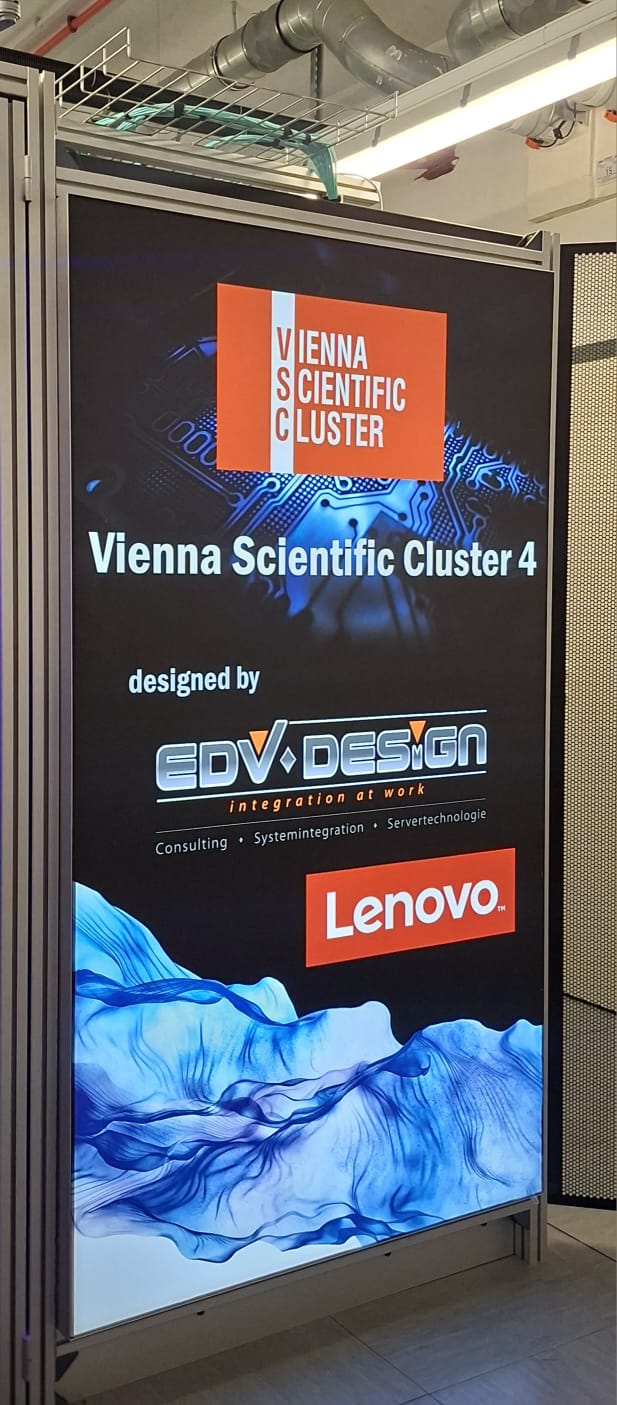
Our first stop was the TU Vienna Science Center, where Ernst Haunschmid presented the history and evolution of the Vienna Scientific Cluster (VSC), a collaboration between several Austrian universities that pools resources to provide shared supercomputing infrastructure. The VSC has grown through successive generations since 2008, and is now transitioning into its newest form: MUSICA, or Multi-Site Computing Austria. A key design principle of MUSICA is the deliberate distribution of its high-performance computers across three cities: Vienna, Linz, and Innsbruck. This isn't just administrative convenience; it's an architectural decision to increase the resilience and availability of the system, so that no single location becoming unavailable can take down the whole cluster. The technical stack combines CPU and GPU resources managed through OpenStack, Slurm for job scheduling, and EESSI for consistent software environments across all sites. The visit also touched on EODC (founded 15 May 2014), whose mission is to translate Earth observation data into actionable knowledge, including through the Copernicus Emergency Management Service for global flood modelling. An AI Factory Austria, backed by EuroHPC, rounds out the current ecosystem.
Reflection
Standing next to the actual hardware in EODC, brought something into focus that diagrams in a lecture room do not: the energy demands, the cooling systems, the physical scale of what it takes to run Earth observation and AI workloads at this level. It's easy to talk about "cloud computing" as if it's weightless. It was also great to understand the layers involved from satellite data acquisition, to petabyte-scale storage, to the scheduling systems that allocate compute jobs across multiple cities

UN Office for Outer Space Affairs (UNOOSA)

Our next stop was Vienna International Centre (VIC). It is home to UNOOSA, the United Nations body responsible for promoting international cooperation in the peaceful use of outer space.. Within it, the Space Applications Section (SAS) focuses on applying space-derived tools such as satellite imagery, GNSS, and Earth observation, to real-world humanitarian and development challenges. A central programme is UN-SPIDER (UN Platform for Space-based Information for Disaster Management and Emergency Response), which supports communities through the full disaster management cycle: preparedness, response, recovery, and mitigation. UN-SPIDER operates through a network of Regional Support Offices located around the world, including RCMRD (Regional Centre for Mapping of Resources for Development), enabling locally embedded expertise. Field engagement happens through several mission types: Technical Advisory Missions (TAM), Institutional Strengthening Missions (ISM), and Expert Missions (EM), each targeting different levels of capacity-building. GNSS is highlighted as a particularly practical technology in disaster scenarios, offering positioning even when terrestrial infrastructure is damaged. On emerging technologies, UNOOSA has published a Responsible Use of AI brief and developed GeoAI best practices specifically for Earth observation data. The Space4SDGs initiative connects these tools to the UN Sustainable Development Goals. A memorable example given was using 30 cm resolution imagery to count palm trees. This illustrated both the precision now achievable and the kinds of practical questions GeoAI can answer.

Reflection
UNOOSA reframed how I think about space technology. It's easy to associate space with exploration or commercial satellites, but the work here is grounded in floods, earthquakes, and food security. The disaster management cycle framework is something I'd like to apply more deliberately in my own thinking about systems, because it's a reminder that response alone is insufficient. Counting trees from imagery sounds trivial, but it points toward large-scale agricultural monitoring, carbon accounting, and land-use tracking. The fact that UNOOSA is already thinking about responsible AI guidelines at this stage, rather than retroactively, also stood out as good practice.